 (1).png)
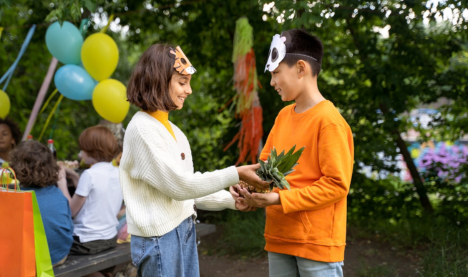
Teaching Children the Value of Gratitude, Sharing and Community
Children learn important life lessons not only through textbooks but also through everyday experiences. Gratitude, sharing, kindness, and a sense of community help children understand how their actions can positively affect others. Teaching these values from an early age can support emotional development, empathy, and responsible behaviour.
For families exploring international schools in Kerala, an environment that encourages children to understand different people, cultures, and perspectives can play an important role in developing these qualities alongside academic learning.
Understanding the Meaning of Gratitude
Gratitude teaches children to recognise and appreciate the people, opportunities, and experiences around them. It does not have to involve grand gestures. Simple habits such as saying thank you, appreciating someone's effort, or recognising what they have can help children develop a positive outlook.
Parents can encourage gratitude by asking questions such as:
-
What made you happy today?
-
Who helped you today?
-
What is something you are thankful for?
Regular conversations can gradually make gratitude a natural part of a child's daily life.
Learning the Importance of Sharing
Sharing helps children understand that happiness can come from giving as well as receiving. Sharing toys, books, food, ideas, or responsibilities gives children opportunities to understand cooperation and consideration.
Parents and teachers can encourage children to share without forcing them. Explaining why sharing matters and demonstrating the behaviour themselves can help children understand its value.
Activities in schools in Kochi can also provide children with opportunities to practise cooperation through group tasks, classroom responsibilities, and community activities.
Building Empathy Through Everyday Experiences
Gratitude and sharing are closely connected with empathy. When children learn to consider how another person might feel, they become more aware of the impact of their words and actions.
Stories, classroom discussions, role-play, and real-life situations can help children explore different perspectives and understand the importance of kindness and respect.
Creating a Sense of Community
A strong sense of community helps children understand that they are part of something larger than themselves. Simple activities such as helping classmates, caring for shared spaces, participating in school events, or supporting community initiatives can build this awareness.
Many international schools in Kochi provide diverse opportunities for students to work together and learn about responsibility, cooperation, and respect.
Learning From Different Cultures
Children today grow up in increasingly diverse communities. Learning about different cultures and traditions can help them understand that people may have different ways of living while sharing common values.
This can be especially meaningful in international schools in Ernakulam, where exposure to different backgrounds can encourage openness and mutual respect.
How Parents Can Encourage These Values
Values become stronger when children see them being practised consistently. Parents can model gratitude by appreciating others, encourage children to help with household responsibilities, and create opportunities for them to contribute to their community.
Schools can reinforce these habits through projects and activities that encourage students to work together and consider the needs of others. This approach aligns naturally with the holistic development encouraged in IB schools in Kerala and IB schools in Kochi.
Developing Responsible Future Citizens
Gratitude, sharing, and community awareness can help children develop qualities that extend beyond the classroom. They learn to appreciate others, take responsibility, cooperate, and contribute positively to the people around them.
These qualities can complement the academic and personal development encouraged in IGCSE schools in Kochi and other modern learning environments.
Conclusion
Teaching gratitude, sharing, and community values is a gradual process built through everyday experiences. When children are encouraged to appreciate others, share willingly, show empathy, and contribute to their communities, they develop a stronger understanding of responsibility and kindness.
For parents comparing the top international schools in Kerala, an educational environment that supports both academic learning and positive values can help children grow into confident, respectful, and responsible individuals.