 (1).png)
Why Fine Motor Skills Matter More Than You Think
Fine motor skills may seem simple, but they play a powerful role in a child’s overall development. These skills involve the coordination of small muscles in the hands and fingers, working together with the eyes. From holding a crayon to buttoning a shirt, fine motor control influences daily activities and classroom performance. Although often overlooked, these small movements lay the foundation for academic readiness, independence, and confidence.
What Are Fine Motor Skills?
Fine motor skills refer to the ability to make precise and controlled movements using the hands and fingers. These skills develop gradually during early childhood through play, exploration, and guided activities. Tasks such as drawing, cutting with scissors, stacking blocks, and threading beads help strengthen hand muscles and improve coordination.
Fine Motor Skills and Early Academic Success
In the classroom, fine motor skills are essential for writing, colouring within lines, handling books, and completing craft activities. A child who struggles with pencil grip or hand control may feel frustrated during writing tasks. When fine motor development is supported early, children approach learning tasks with greater ease and confidence. Strong hand coordination also supports better handwriting, which improves clarity and speed during written assignments.
Connection Between Fine Motor Skills and Cognitive Development
Fine motor development is closely linked to cognitive growth. When children engage in hands-on tasks, they strengthen neural connections that support focus, planning, and problem-solving. Activities that require careful manipulation, such as puzzles or building structures, improve concentration and patience. These experiences encourage children to think critically while refining physical coordination.
Key Areas Influenced by Fine Motor Development
| Area of Development | Fine Motor Activity | Benefit |
|---|---|---|
| Writing Skills | Tracing, drawing, colouring | Improved pencil control and clarity |
| Independence | Buttoning, tying shoelaces | Greater self-reliance |
| Focus and Attention | Puzzles, sorting objects | Enhanced concentration |
| Hand-Eye Coordination | Beading, stacking blocks | Better spatial awareness |
Fine Motor Skills and Emotional Confidence
Children who develop strong fine motor abilities often show greater confidence in daily tasks. When they can complete activities independently, they experience a sense of achievement. On the other hand, persistent difficulty with small motor tasks may affect self-esteem. Encouraging practice through play reduces frustration and builds resilience.
Role of Play in Strengthening Fine Motor Skills
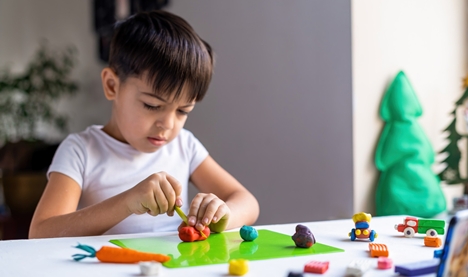
Play is one of the most effective ways to support fine motor development. Activities such as clay modelling, painting, folding paper, and sorting small objects provide natural opportunities to strengthen hand muscles. These playful experiences are enjoyable and meaningful, making practice feel less like a task and more like exploration.
How Parents and Educators Can Support Development
Both home and school environments play an important role in nurturing fine motor skills. Providing age-appropriate materials such as crayons, safety scissors, building blocks, and sensory toys encourages daily practice. Allowing children time to complete tasks independently, without rushing, also supports muscle development and coordination.
When to Observe and Offer Extra Support
While every child develops at a different pace, consistent difficulty with holding objects, controlling hand movements, or performing simple tasks may require additional guidance. Early observation and gentle intervention can help prevent long-term academic challenges. Collaboration between parents and educators ensures that children receive the support they need.
Conclusion: Building Strong Foundations Through Small Skills
Fine motor skills may involve small muscles, but their impact is significant. They influence writing ability, independence, concentration, and emotional confidence. By recognising the importance of these skills and encouraging regular hands-on activities, families and schools can build strong foundations for lifelong learning. When children master small movements, they gain the confidence to take on bigger challenges.