 (1).png)
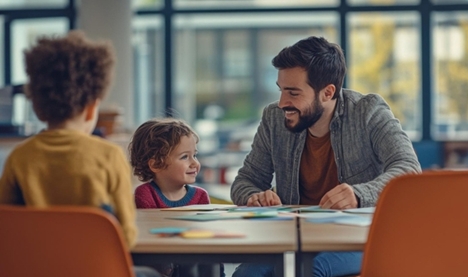
Why Parent-School Communication Is the Backbone of Student Success
Education thrives when teachers, parents, and students work together. While schools provide the structure and expertise, parents bring insight into a child’s personality, strengths, and needs. The bridge that connects these two worlds is communication. When communication flows openly and consistently, it strengthens not only learning outcomes but also the child’s confidence, behaviour, and emotional well-being.
The Foundation of a Strong Partnership
Effective education is built on partnership. Schools can design lessons, monitor progress, and assess growth, but parents add vital context that helps teachers understand the child beyond the classroom. A child who seems distracted in class, for instance, might be facing emotional or environmental changes at home. Timely communication helps teachers adapt strategies before small issues become obstacles.
Likewise, when schools share updates about classroom activities, upcoming projects, or behavioural observations, parents feel more involved. This sense of inclusion motivates them to reinforce learning at home and celebrate progress with their children.
| Communication Type | Frequency | Purpose |
|---|---|---|
| Parent-Teacher Meetings | Once every term | Share academic progress and discuss growth areas |
| Progress Reports | Monthly or bimonthly | Track development and identify patterns early |
| Informal Updates | As needed | Build ongoing understanding and trust |
| Digital Platforms (apps, emails) | Continuous | Ensure transparency and quick feedback |
Strong partnerships don’t just happen—they are built through consistent, respectful communication.
Building Trust Through Transparency
When parents and teachers communicate regularly, they establish mutual trust. Parents see that educators genuinely care about their child’s growth, while teachers feel supported by families who value education. Transparency about expectations, achievements, and challenges helps avoid misunderstandings and fosters teamwork.
In classrooms where communication is open, students sense the alignment between home and school. They understand that both environments share the same goals, which provides emotional security and motivation to perform their best.
The Impact on Student Motivation and Confidence
Students thrive when they know their parents and teachers are working together. Communication creates a safety net—students feel seen, supported, and accountable. A child who knows that parents and teachers communicate regularly is more likely to stay focused, complete assignments on time, and seek help when needed.
Moreover, positive reinforcement from both sides strengthens confidence. When a teacher praises effort in class and a parent acknowledges it at home, the message is powerful: learning matters, and effort is valued.
The Role of Technology in Strengthening Communication
Modern education has moved far beyond occasional parent-teacher meetings. Digital tools have made communication faster and more accessible. School management systems, mobile apps, and class portals allow teachers to share updates, attendance records, and assignments instantly. Parents can respond, ask questions, or even send quick notes of appreciation.
However, technology should complement—not replace—personal interaction. Face-to-face meetings, whether formal or informal, still play an irreplaceable role in understanding tone, emotion, and nuance. The best results come from a blend of digital convenience and personal connection.
Handling Challenges Constructively
Communication is not only about sharing good news. It is equally important during moments of difficulty—when students struggle academically, emotionally, or socially. Approaching such conversations with empathy and a shared goal of improvement ensures that parents and teachers work as partners rather than critics.
Teachers can guide parents on home strategies that align with classroom goals, while parents can provide insights into what motivates or discourages their child. Together, they create a supportive plan that addresses challenges from both ends.
Encouraging Students to Be Part of the Dialogue
As children grow, involving them in the communication process helps them take ownership of their learning. Older students can attend parts of parent-teacher meetings or discuss their own goals and reflections. This practice builds self-awareness, responsibility, and emotional maturity.
When communication includes the student, it shifts from being about them to being with them. This sense of agency reinforces the idea that education is a shared journey.
Conclusion
Parent-school communication is far more than an exchange of updates—it is the backbone of a successful learning ecosystem. When parents and educators maintain open, honest, and continuous dialogue, they create an environment of trust and shared purpose. This unity not only supports academic achievement but also nurtures emotional growth, resilience, and a lifelong love for learning.
In the end, every message, meeting, and moment of communication sends the same powerful signal to the child: we’re on your side, together.